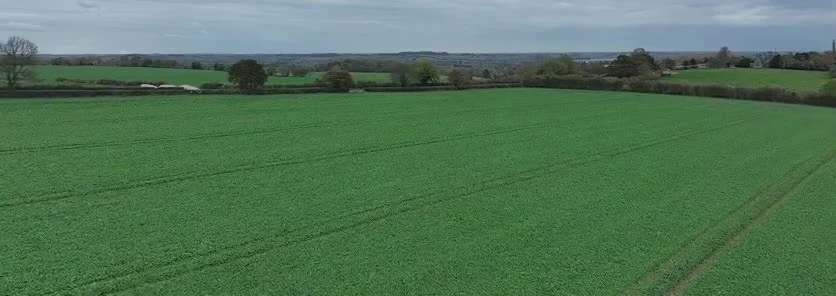
Oilseed rape · aerial view
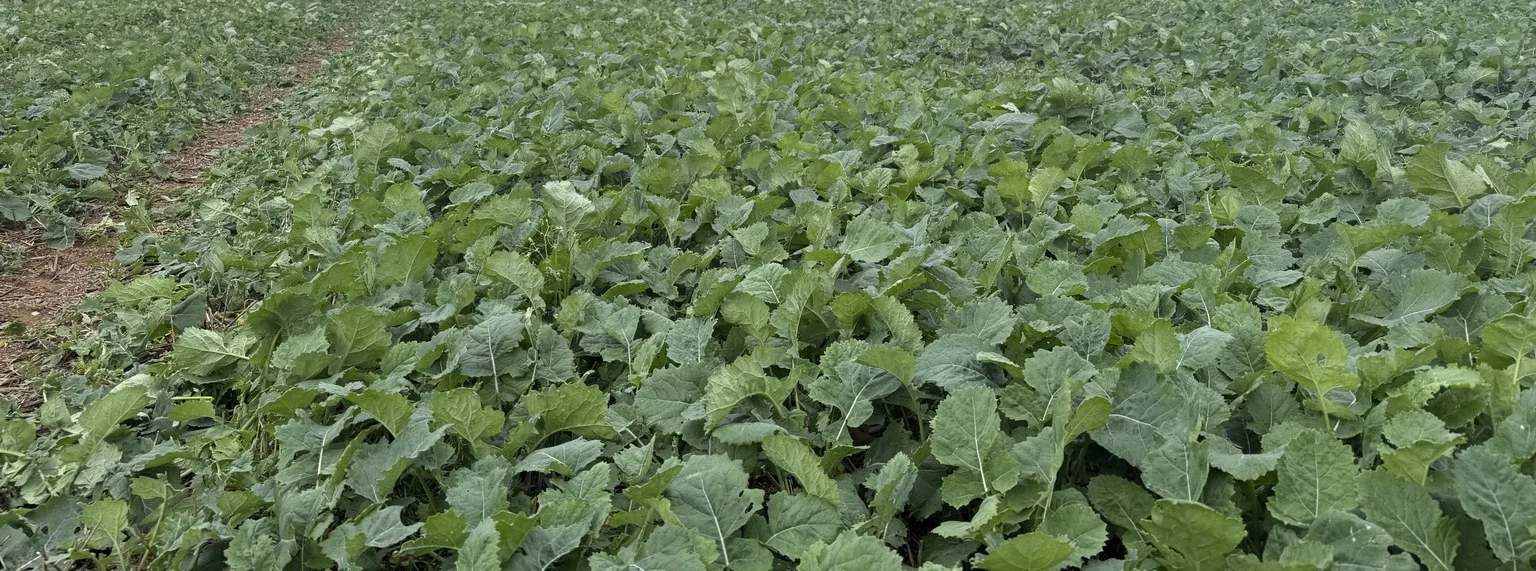
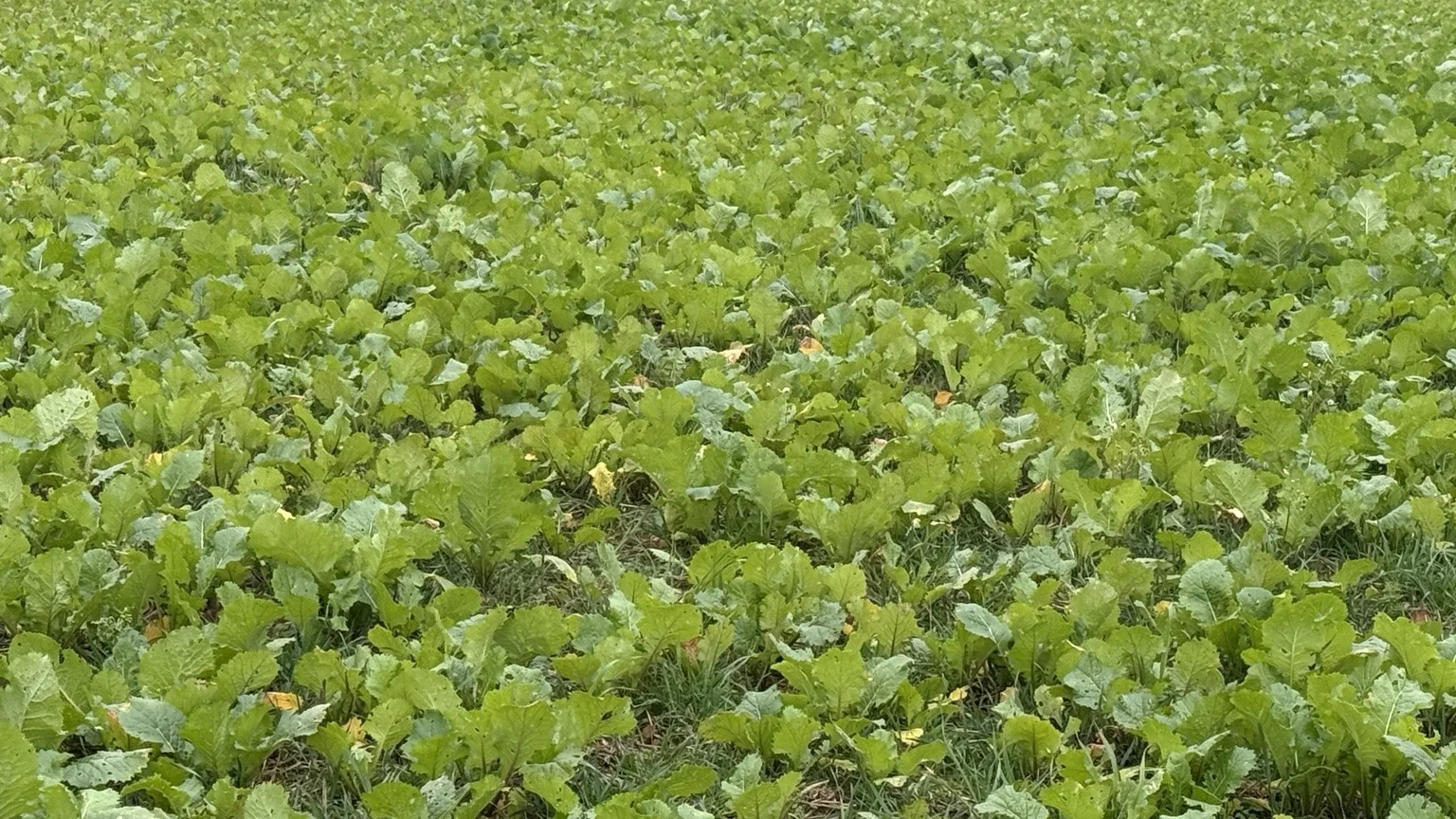
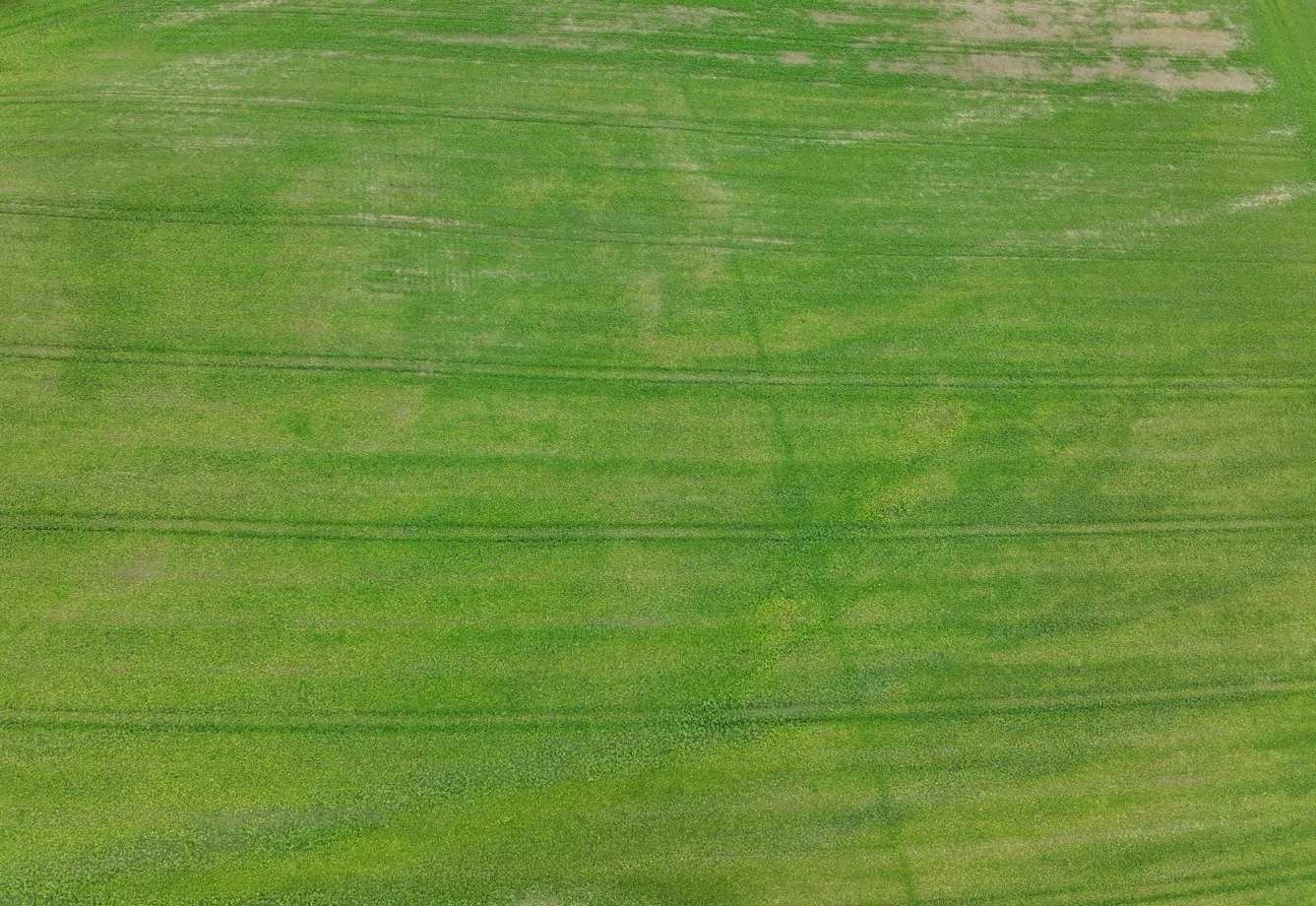
4 November 2026. Crop coverage at the November follow-up.
Oilseed rape and stubble turnips: from 3 August broadcasting to the 4 November crop check.
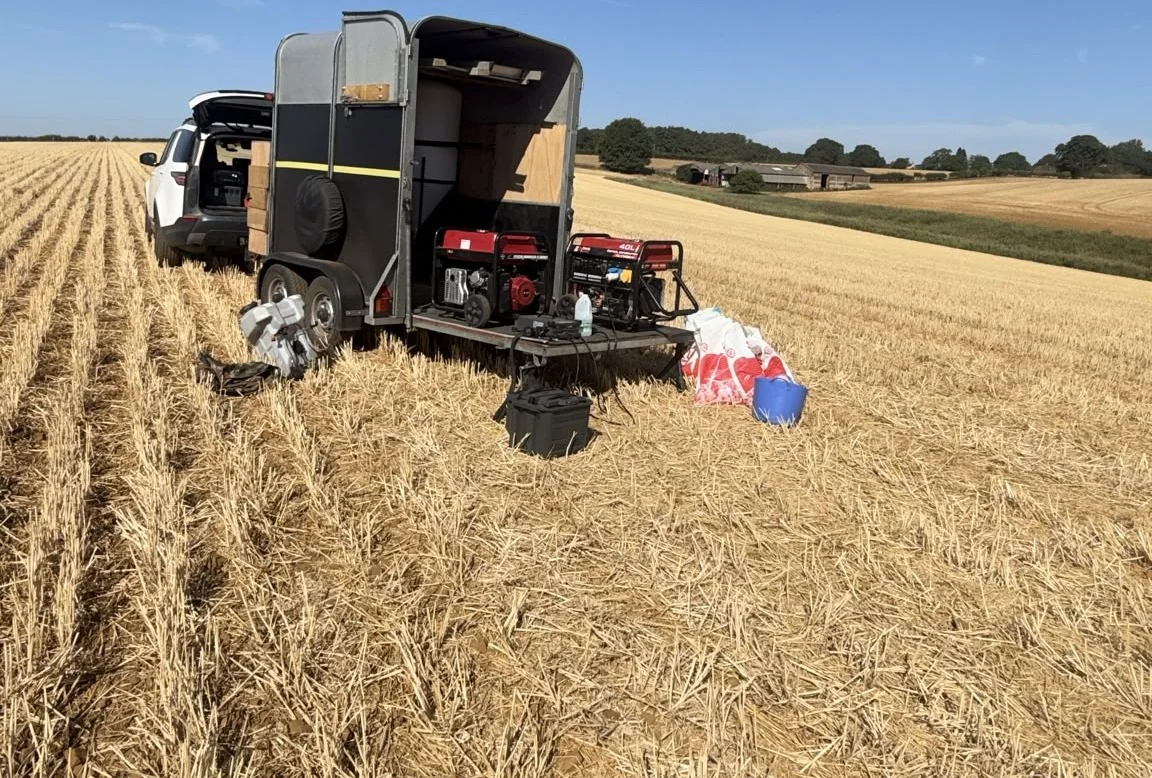
Around 30 hectares of oilseed rape and stubble turnips were broadcast with a DJI Agras T50 in Northamptonshire on 3 August 2026. James Poynton returned on 4 November to photograph how the crops had established after a prolonged dry spell.
The work covered one field of oilseed rape and two fields of stubble turnips for a repeat SAS Agri Drones customer. This was the third consecutive year the customer had used SAS for broadcasting these crops. James carried out this year's drone broadcasting through the SAS network.
Seed was broadcast into standing cereal stubble in very hot, dry conditions. James recalls temperatures above 30°C on the day. After broadcasting, the farmer followed with a tractor and spring-tine cultivation to lightly incorporate the seed, rather than leaving it exposed on the soil surface.
The drone application was one part of the establishment process. The farmer's follow-up cultivation and the availability of moisture also mattered.
According to James, useful rainfall did not arrive until at least a month after broadcasting. The exact rainfall date is unknown. The seed therefore faced an extended dry period before sufficient moisture became available for germination.
That timing is an important part of the story: these photographs document an outcome after a difficult start, rather than an immediate response to sowing.
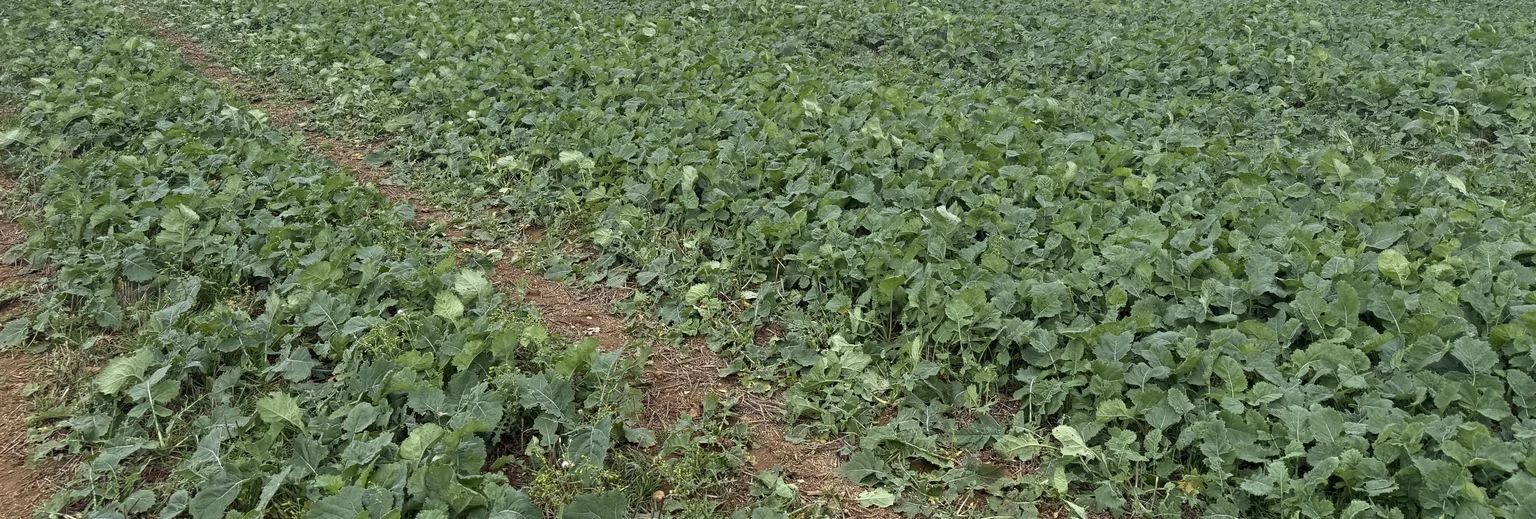
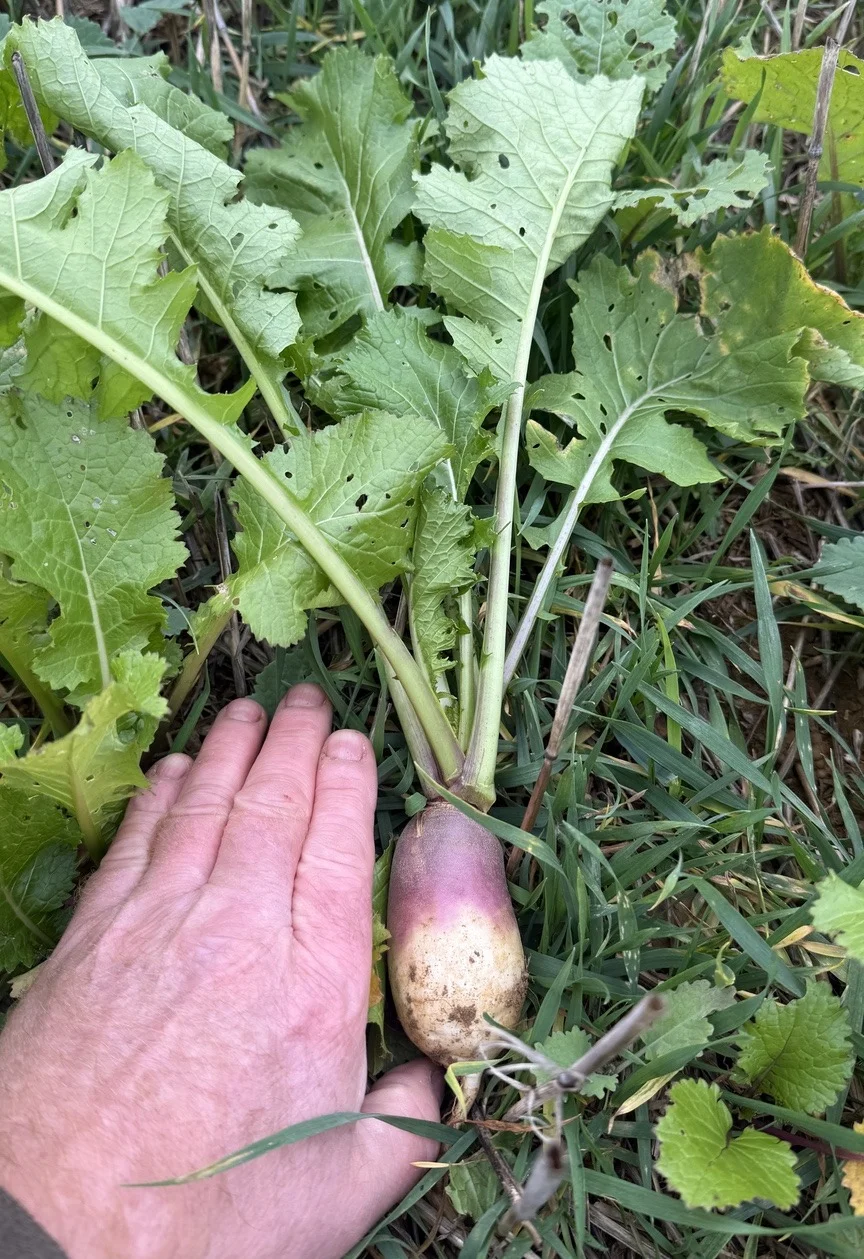
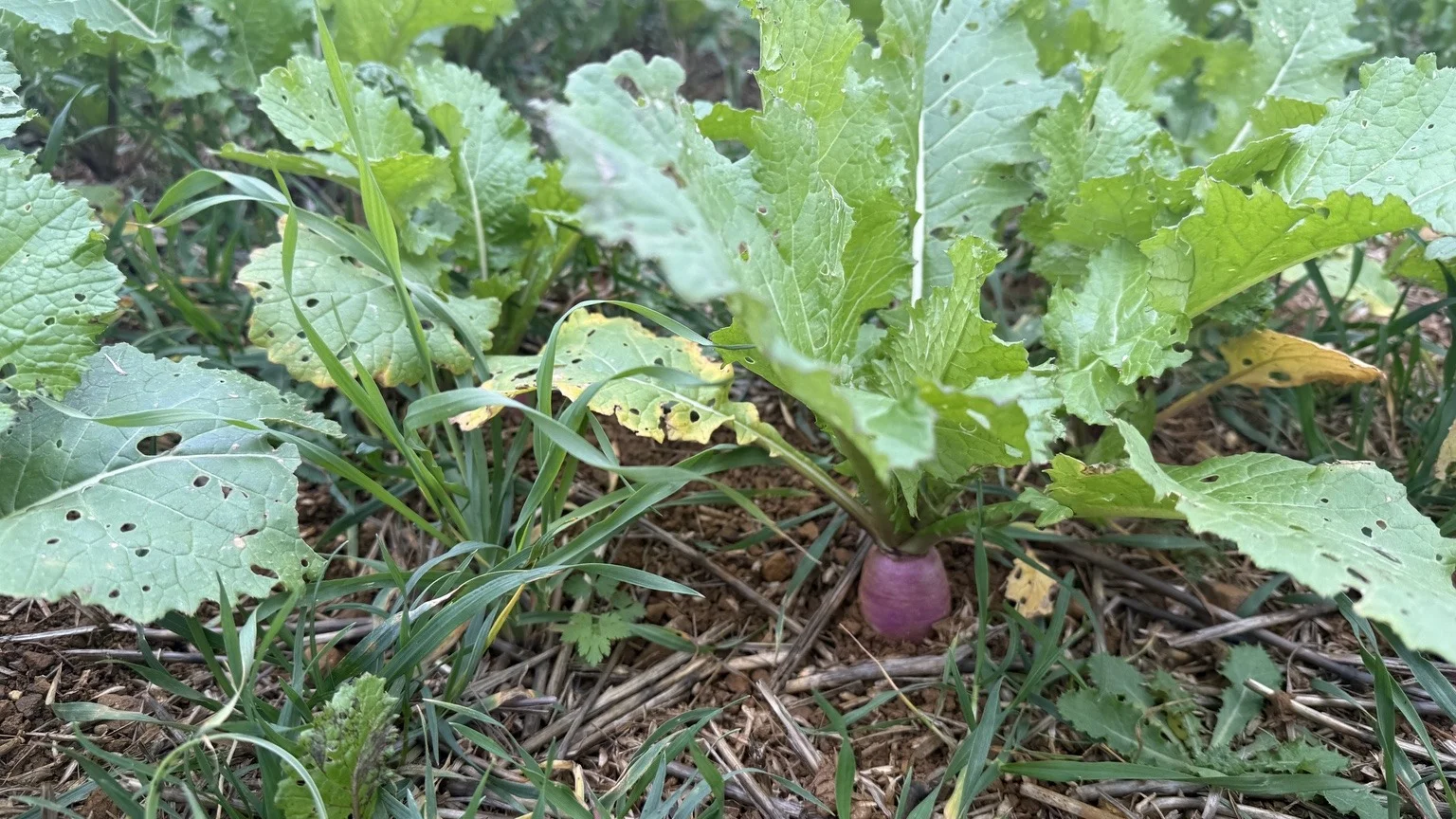
The return visit on 4 November recorded crop coverage across the fields, close views of the turnips and aerial views showing differences in establishment. James reports that the crops established well overall and that the customer is very happy with this year's result.
There are also thinner areas. James observed that areas with less available moisture performed less well. The photographs show that variation alongside the stronger areas, giving a fuller picture of the job.
These are field observations and photographic records, rather than a controlled comparison or a measured yield assessment. They do not establish a yield advantage or show that drone broadcasting alone caused the result.
This job brings together aerial seed broadcasting, the farmer's subsequent incorporation and the eventual arrival of rainfall. It also shows the value of returning to a job to see how it has developed.
For farmers considering drone broadcasting, the practical discussion starts with the crop, seed, field conditions and planned follow-up management. Seed-to-soil contact and moisture remain central to establishment.
A captioned highlight showing broadcasting, the farmer’s cultivation and the November return visit. This video is silent.
These separate clips show the oilseed rape on 4 November, followed by the farmer’s spring-tine cultivation after the August broadcasting. The captioned videos are silent.
4 November 2026. Crop coverage at the November follow-up.
4 November 2026. Crop coverage at the November follow-up.
Spring-tine cultivation after broadcasting. The farmer followed the drone broadcasting with spring-tine cultivation to lightly incorporate the seed.
Tap a photograph to browse with Previous and Next. Close the viewer to return to the story.
Field work and media: James Poynton, working through the SAS Agri Drones network. Customer and exact farm location are withheld.
Let’s discuss the crop, field conditions and follow-up management.